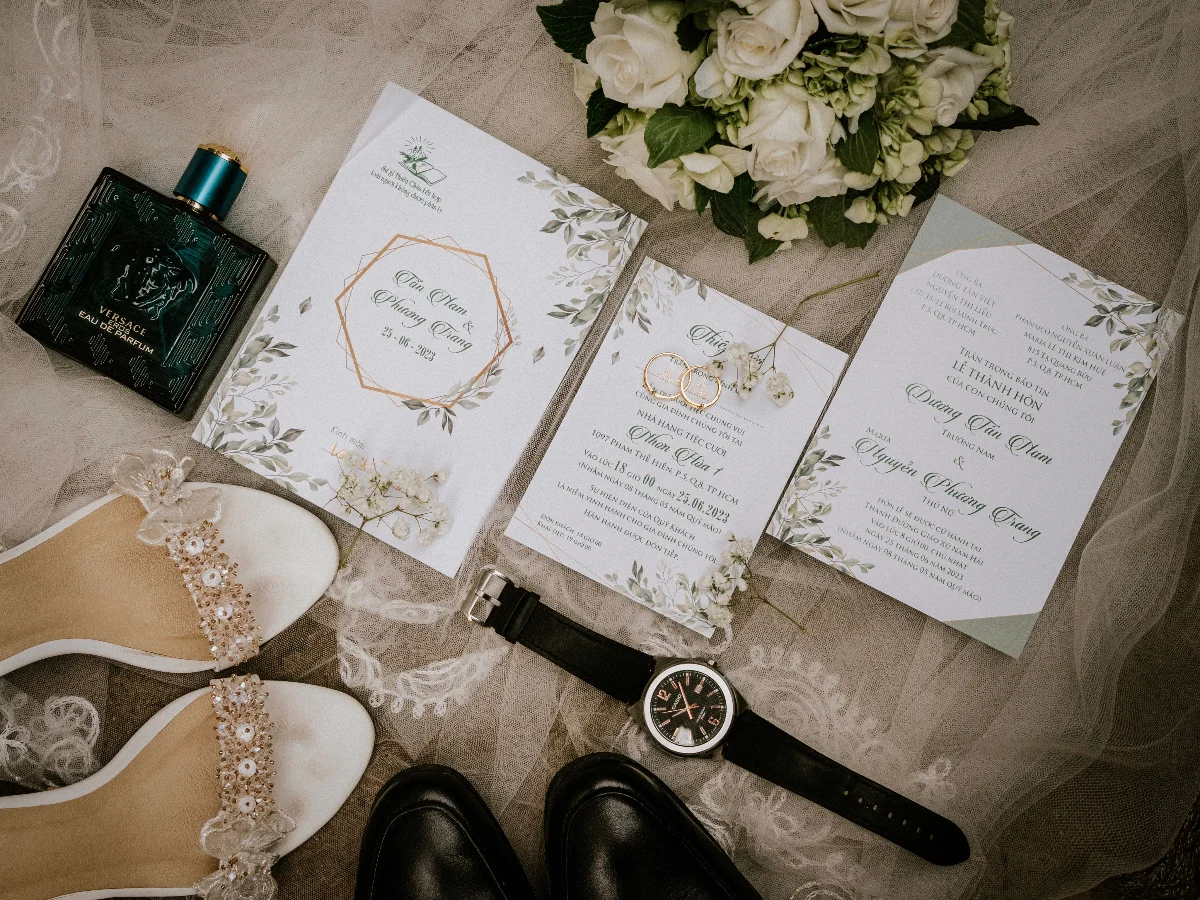

What actually separates one digital invitation service from another is not the pretty template—it's how the RSVP data flows back to you, how the delivery behaves in spam filters, and what happens when a guest tries to reply from a phone they've had for years.
The short answer
The best digital wedding invitation for you is the one that matches how your guests actually use email and text, not the one with the most design awards. Start by listing your guest list's tech comfort level, then compare services on three things: how RSVPs are collected and exported, how the invitation renders on old phones and in Gmail's promotions tab, and what happens after you send—can you resend to non-openers, and can you edit details after the fact? You'll want to request a test send to yourself and a friend with an older device before committing, because a beautiful invite that lands in spam or breaks on an iPhone 8 is useless.
How this comparison is built
Every provider here is judged against the same list, in the same sequence. Commission does not move a row up, and a provider that pays nothing is not left out.
What we compare
- How many of your guests are over 55, and do they reliably check email, or do you need a service that also offers SMS delivery and a simple text-based RSVP link?
- Do you need to collect meal choices, plus-ones, and song requests in one place, or is a simple yes/no with a comment box enough for your wedding?
- What is your plan for guests who don't open the first email—does the service let you see who hasn't viewed it and send a reminder, or do you have to manually track that?
- Can you edit the event details, add a new event, or change the date after sending, and if so, does the service notify guests of the change automatically?
- Do you want to track open rates and click-throughs at all, or is that overkill for your guest list and you'd rather have a simple 'viewed' count?
The criteria that decide it
| What to compare | What to ask for | The decision it changes |
|---|---|---|
| RSVP data export | Ask for a live demo or trial account. Send a test RSVP with a plus-one and a meal choice, then export the data to a spreadsheet. Check if the columns are clean, if the plus-one name appears correctly, and if you can sort by event or response. | Whether you can actually manage your seating chart and vendor counts without re-entering data by hand, which saves hours and prevents errors. |
| Delivery reliability | Send a test to a Gmail, Yahoo, and a work email address. Check if it lands in the primary inbox, promotions tab, or spam. Also send to a phone number via SMS if offered, and see how the link renders in a text message. | Whether your invitation is actually seen, because an invite that lands in spam or is truncated in a text is as good as never sent. |
| Guest list management | Upload a sample CSV with 10 guests, including a few with plus-ones. See how the service handles grouping (e.g., couples, families), how you add a guest to a specific household, and whether you can assign a plus-one to a specific person. | Whether you can track who is coming with whom, which is critical for seating and for sending save-the-dates to the right people. |
| Post-send editing and resend | In the trial, send a test invite, then change the venue name and the RSVP deadline. See if the change is pushed to guests via email or text, and if you can resend to only non-openers with a personalized message. | Whether you can fix a typo or update a timeline without sending a confusing 'ignore the last email' to everyone, and whether you can nudge forgetful guests without spamming those who already replied. |
| Design customization depth | Try to change the font, colors, and layout beyond the template presets. See if you can upload your own graphics or use a custom domain for the RSVP link. Check if the design is responsive on a phone and a desktop. | Whether the invitation feels like yours or like a template everyone else used, and whether it looks professional on all devices. |
| Pricing structure transparency | Look for the pricing page and see if it's per send, per guest, or a flat fee. Check if there are extra charges for SMS, additional events, or for keeping the site live after the wedding. Ask for a written quote that includes all fees. | Whether the final cost matches your budget, because some services charge extra for features you assumed were included, like a second event or a post-wedding thank-you page. |

Why there is no provider table here yet
A comparison table is only worth reading when every row has been checked against the provider's own current pricing and features, with the date that check happened. We have not finished that work for this category, so there is no table and there are no links.
Use the criteria above in the meantime. They are the same criteria the table will use, so the research you do now is not wasted.
Who each option suits
There is no best option in the abstract. There is the option that fits your guest count, your timeline and the features you will genuinely use.
Match these to your situation
- Choosing a service based on a pretty template you saw on social media, then discovering it doesn't let you export RSVPs in a usable format, forcing you to manually type in every guest's meal choice the week before the wedding.
- Assuming that because you sent the invite, it was seen—many digital invites land in spam or are ignored, and if you don't have a way to track opens and send reminders, you'll be chasing down responses from guests who never saw it.
- Paying for a premium plan with features you don't need, like video backgrounds or animated envelopes, while the basic plan lacks the one thing you actually need, like the ability to add a second event or a custom domain for the RSVP link.

A worked example you can copy
Turning a guest list into a mailing count
- 55 households or couples invited together receive one invitation each.
- 11 people need their own mailing: adult children at other addresses, colleagues, single friends invited alone.
- That is 66 invitations to send.
- Add 10 spares for addressing mistakes, keepsakes and late additions.
- Order 76. Note that this is a mailing count, not a guest count.
| Line | Amount |
|---|---|
| Households | 55 |
| Separate mailings | 11 |
| Base invitations | 66 |
| Spares | 10 |
| Order quantity | 76 |
Your next conversation, in checklist form
Your next conversation, in checklist form
- Create a test guest list with at least five addresses, including a Gmail, a Yahoo, a work email, and a phone number for SMS, and send yourself a test invite to each.
- Open the test invite on an older phone (iPhone 8 or earlier, or an Android from a few years ago) and on a desktop browser to check for layout breaks or missing images.
- Send a test RSVP with a plus-one and a meal choice, then export the data to a spreadsheet and verify the columns are clean and the plus-one name is captured correctly.
- After sending the test, change the event time and see if the service automatically notifies guests of the change, and if you can resend to only non-openers.
- Check the service's help center or FAQ for how they handle spam complaints and whether they have a dedicated sender domain or if they use a shared one that could affect deliverability.
- Write down the exact features you need (e.g., meal choices, song requests, a registry link) and compare them against the trial version before you pay for anything.
Questions couples ask
Can I send digital invitations to guests who don't use email?
Yes, but you'll need a service that offers SMS delivery or a way to send a text link. Some services let you send a text message with a link to the invitation, which works for guests who only use their phones.
What if I need to change the date after I've sent the invitations?
Most services let you edit the event details after sending, but the key is whether they automatically notify guests of the change. Check if the service sends an update email or text to all guests, or if you have to manually resend the invitation with a note.
How do I know if my guests actually received the invitation?
Look for a service that provides delivery and open tracking. You'll be able to see who opened the email or clicked the link, and you can then send a reminder to those who haven't. If the service doesn't offer this, you'll have to follow up manually.
Your next decision
Once you've picked a service, the next step is to decide on your save-the-date strategy and whether you'll send a physical card to older guests, so compare those options next.