
Get original wording templates for every RSVP reminder scenario, plus a decision tree to choose the right follow-up without guesswork.
The short answer
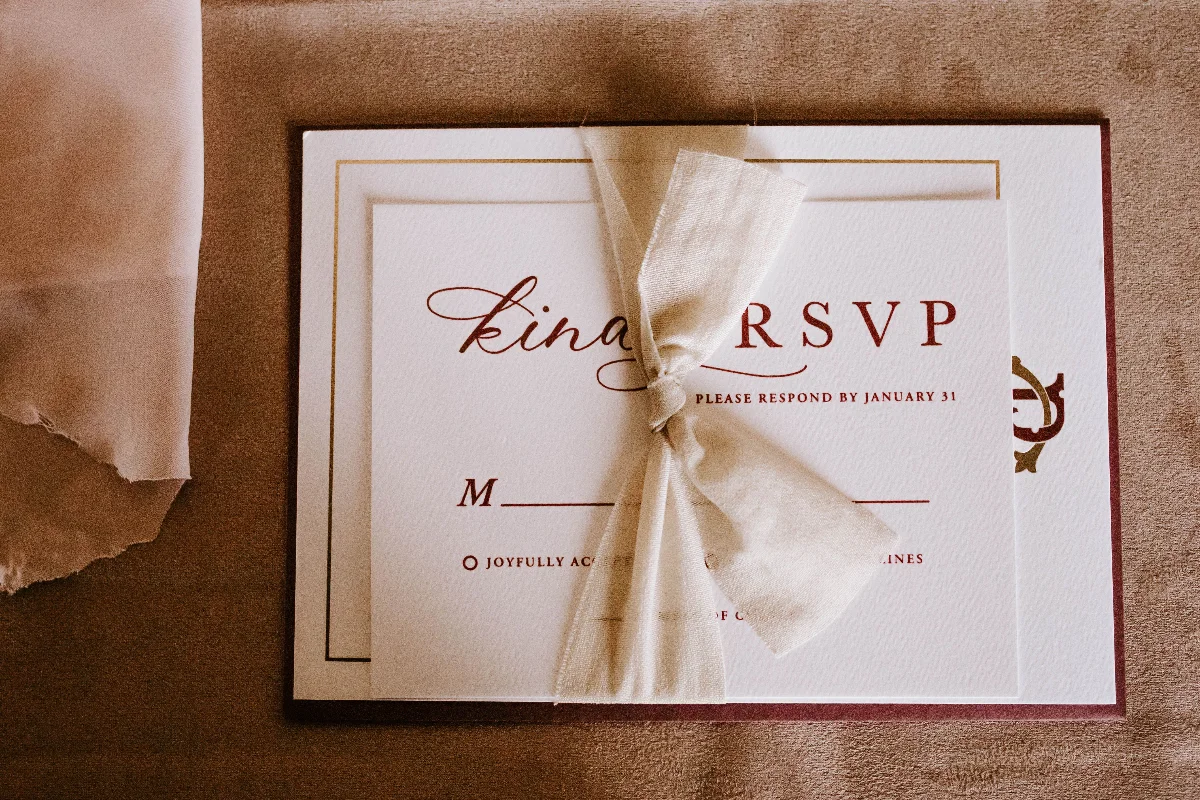
Start your RSVP reminder with a warm greeting and a clear reference to the original invitation. State the new deadline and include a direct link or reply method. Keep the tone polite but urgent, and offer a way for guests to ask questions. Send the first reminder a few weeks before the original deadline, then a final reminder a week after it passes.
The decisions this settles
Get original wording templates for every RSVP reminder scenario, plus a decision tree to choose the right follow-up without guesswork.
Questions to answer before you commit
- What is the tone of your wedding—formal, casual, or somewhere in between?
- How many guests have not responded yet, and do you have their contact info?
- What is the original RSVP deadline date on your invitation?
- Do you have a secondary contact method (phone, email, text) for each guest?
- Will you need a final head count for vendors by a specific date?
What each choice changes
| What to compare | What to ask for | The decision it changes |
|---|---|---|
| Tone: Formal vs. Casual | Sample wording for each tone from your own drafts or online templates. | Which wording style matches your wedding's overall tone. |
| Timing: First reminder vs. Final reminder | Suggested send dates based on your original deadline and vendor head-count due date. | When to send each reminder relative to your original deadline. |
| Delivery method: Email vs. Text vs. Phone call | Pros and cons of each method for your guest list (e.g., older guests may prefer phone). | Which channel your guests are most likely to respond to. |
| Urgency level: Gentle nudge vs. Hard deadline | Example phrases for each level and how they affect response rates. | How strongly to emphasize the deadline without causing offense. |
| Personalization: Group message vs. Individual message | Template for each approach and the time required to personalize. | Whether to address each guest by name or send a blanket reminder. |

A worked example you can copy
Working back from the date the caterer needs a number
- Wedding date: June 18, 2027.
- The caterer needs the final count on May 28, 2027. That date comes from the contract, not from etiquette.
- Keep 10 days to chase the people who have not replied.
- So the RSVP deadline is May 18, 2027, and follow-up starts May 19, 2027.
- To give guests the time you allowed, invitations go in the mail by March 23, 2027.
| Line | Amount |
|---|---|
| Days between the deadline and the final count | 10 days |
| Days between the deadline and the wedding | 31 days |

Where this usually goes wrong
Each of these is cheap to avoid now and expensive to fix later. They are the mistakes that surface in the final invoice.
Watch for
- Sending a reminder too early, before guests have had a chance to respond, can cause confusion and extra follow-ups.
- Using a tone that is too casual for a formal wedding may offend guests or make them take the deadline less seriously.
- Forgetting to include a clear reply method forces guests to search for the original invitation, delaying responses.
Your next conversation, in checklist form
Your next conversation, in checklist form
- Confirm the original RSVP deadline date from your invitation.
- Choose a consistent tone that matches your wedding's formality.
- Draft a first reminder message with a clear call to action and reply method.
- Set a second reminder date for after the deadline has passed.
- Include a direct reply link, email address, or phone number in every message.
- Send a final message to non-responders with a hard deadline and a personal follow-up option.
Questions couples ask
Should I send a reminder if the deadline hasn't passed yet?
Yes, a gentle nudge a week before the deadline can help guests who forgot. Keep it light and friendly, not accusatory.
What if a guest doesn't respond after two reminders?
Call them directly or ask a family member to follow up. Some guests need a personal touch to confirm their attendance.
Can I use the same wording for email and text?
Yes, but adjust the length and formality. Text reminders should be shorter and more direct, while emails can include more context.
Your next decision
Now that your reminder wording is set, learn how to track responses and manage your guest list with our seating chart and dietary restriction guides.