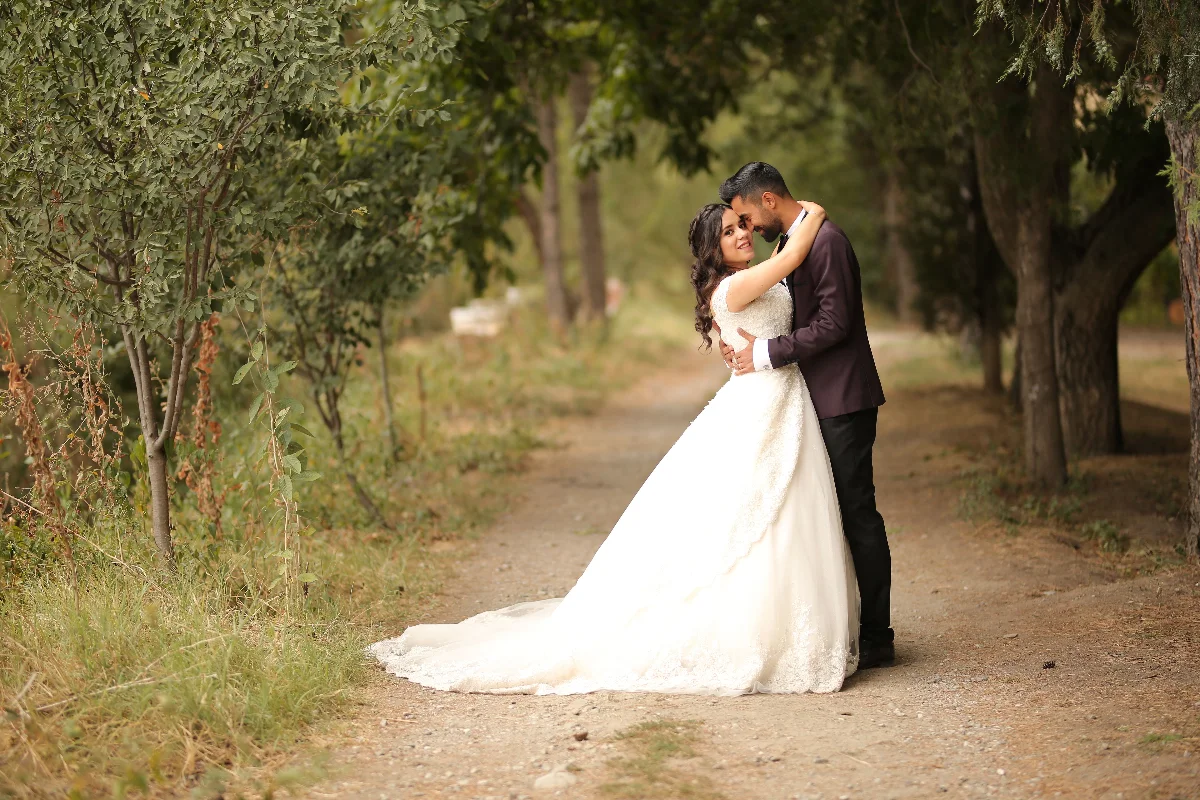
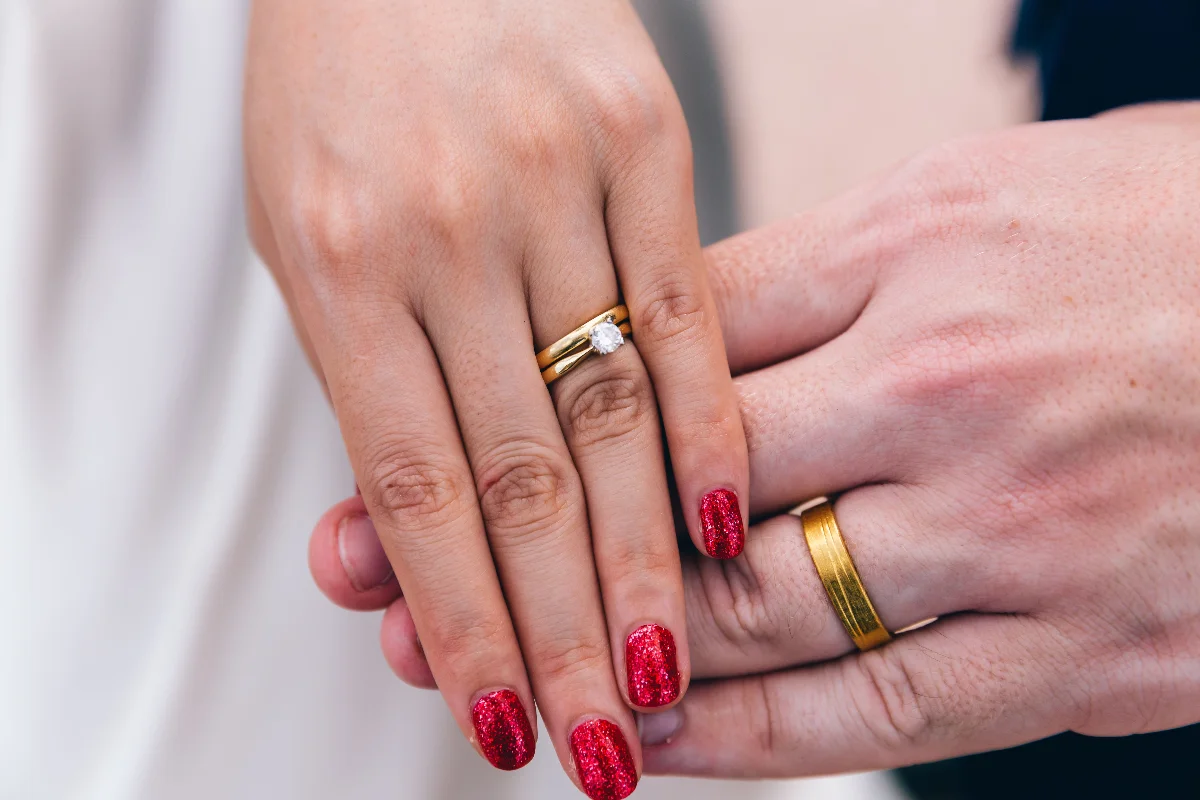
A wedding day emergency kit organized by who carries each item and what moment of the day it serves, so nothing gets lost or forgotten.
Wedding day emergency kit, in brief
A wedding day emergency kit is a portable collection of supplies you keep close at hand to solve small problems as they happen — a ripped hem, a headache, a stain on a shirt, or a blister from new shoes. The key is to divide the kit into three smaller pouches: one for the getting-ready room, one for the person carrying the phone and documents during the ceremony and reception, and one stashed with the venue coordinator for larger repairs like sewing kits or static spray. Assign one person per pouch so nobody has to carry everything, and refresh the contents the week before the wedding.
The checklist
The checklist
- List every item you think you might need by walking through your wedding day minute by minute, from hair and makeup to the last dance.
- Sort the list into three categories: items needed during getting-ready, items needed while you are with guests, and items that can stay with the venue coordinator.
- Assign one trusted person to each category and confirm they are willing to carry the pouch for the entire day.
- Assemble each pouch and label it clearly with the carrier’s name and a list of contents taped to the inside lid.
- Test every item — open the stain remover, check the batteries in the mini fan, and make sure the sewing scissors cut thread.
- Hand each pouch to its carrier the morning of the wedding and remind them where to stash it during the ceremony.
How to use it
Use this while you are talking to someone, not after. Every line is worded so you can read it out and get an answer you can record.
Decide these before you send it
- Which three people in your wedding party will each be responsible for one emergency pouch?
- What specific venue features — such as outdoor grass, a beach, or a historic building — require extra items like bug spray, sunscreen, or bandages for blisters?
- Will you need separate kits for the ceremony site and the reception site if they are in different locations?
- What personal medications, prescription glasses, or contact lens supplies must be in your own pouch rather than the general kit?
- Do any of your vendors — such as the photographer or planner — already carry their own emergency supplies that you can coordinate with instead of duplicating?
What each answer changes
| What to compare | What to ask for | The decision it changes |
|---|---|---|
| Pouch assignment | Whether you divide items by role (getting-ready, on-person, venue) or keep everything in one large bag | A single bag is harder to hand off; pouches let the right person have the right items at the right time |
| Item selection by season | Summer weddings need heat-related items; winter weddings need hand warmers and lip balm | Omitting seasonal items means you may have no solution for weather-related discomfort |
| Brand or generic supplies | Whether you buy name-brand stain removers or use generic equivalents | Some brand-specific products (like certain fabric pens) may work better on your wedding fabric; test before packing |
| Size of the container | Whether the kit fits in a small clutch, a tote, or a clear plastic bin | A too-large bag becomes a burden to carry; a too-small bag may exclude necessary items |
| Refill plan | Whether you set a calendar reminder to check and restock the kit one week before the wedding | Without a refill plan, expired or empty items (like dry shampoo or lip balm) won’t work when needed |
A worked example you can copy
Placing the day around one locked ceremony time
- 9:00 AM – 12:00 PM Hair and makeup (locked)
- 12:30 PM – 1:30 PM Getting ready photos
- 1:30 PM – 2:30 PM First look and portraits
- 5:30 PM – 6:00 PM Ceremony (locked)
- 6:00 PM – 7:00 PM Cocktail hour
- 7:00 PM – 9:00 PM Dinner and speeches
- 9:00 PM – 11:00 PM Dancing
- 11:00 PM – 11:15 PM Exit
- No conflicts: every activity still fits in front of the locked ceremony time.
| Line | Amount |
|---|---|
| Minutes inside a named activity | 645 min |
| Minutes from first start to last end | 855 min |
CalculatorWedding-Day Timeline Builder
Common wedding day emergency kit mistakes
Each of these is cheap to avoid now and expensive to fix later. They are the mistakes that surface in the final invoice.
Watch for
- Packing the kit the night before and not testing the items: a dry-erase marker that has dried out or a sewing kit with no needle threader will fail when you need it most.
- Forgetting to include a backup of your own essentials, such as contact lens solution, pain reliever you trust, or allergy medication — the general kit can’t cover your personal medical needs.
- Putting all items into one bag that gets left behind in the getting-ready room while you are at the ceremony, making those supplies useless until someone retrieves them.
Wedding day emergency kit FAQ
What should I do if my venue coordinator says they already provide an emergency kit?
Ask for a list of what their kit contains, then add your own pouch with items they do not carry — such as your specific pain reliever, makeup for touch-ups, or a spare pair of flats.
Can I use a clear plastic tote instead of a fabric pouch?
Yes, but a clear tote makes it easy for anyone to find what they need without dumping everything out, though it may look less polished if it sits on a table during photos.
How early before the wedding should I assemble the emergency kit?
Start your list four weeks before the wedding and finalize the assembled pouches one week before so you have time to buy missing items and test them.
Where to go next
Once your emergency pouches are packed, decide on your day-of timeline and who will coordinate each carrier so the right pouch reaches the right place at the right moment.