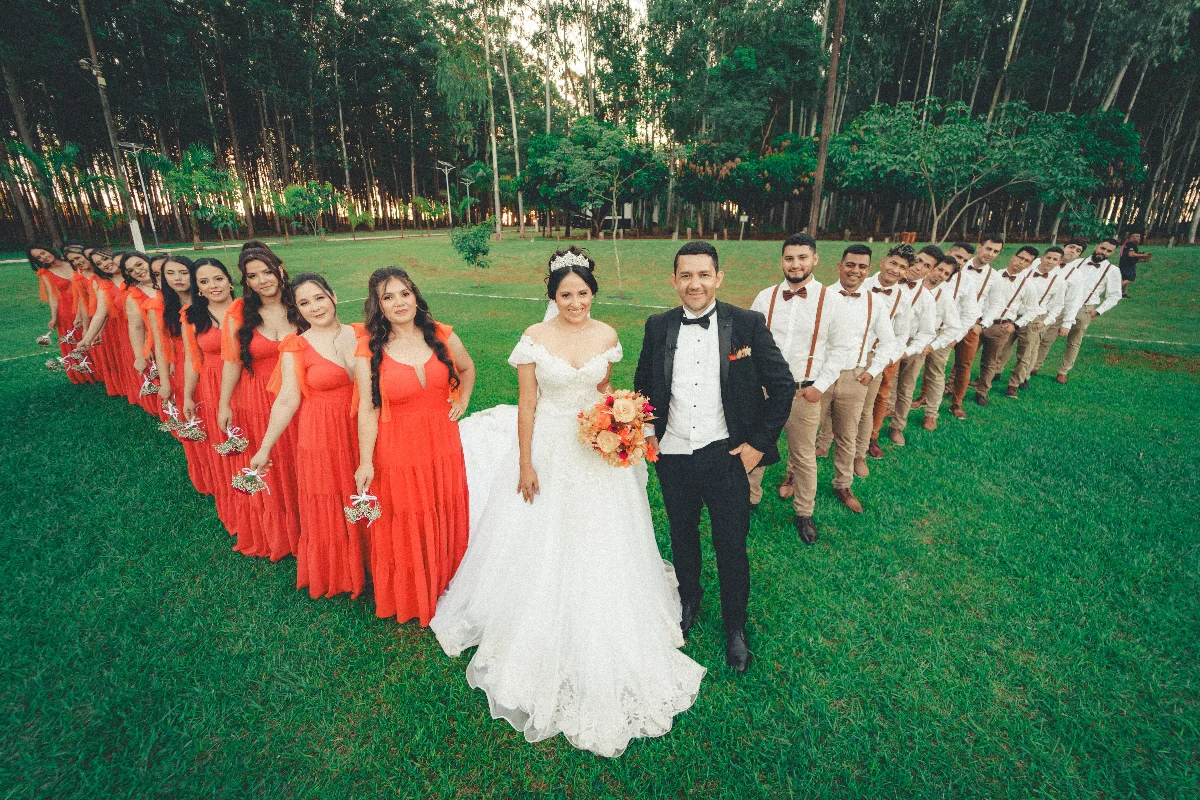

Build your own ceremony running order with the T6 tool, where every segment includes a clear decision point so you control the flow.
The short answer
Start by listing every element you want in your ceremony—processional, readings, vows, ring exchange, pronouncement, recessional. Then decide the sequence that tells your story, such as placing a unity ritual after vows or a musical interlude before the pronouncement. Use the T6 tool to drag each segment into position and assign a time estimate from your officiant or vendor contracts. The order you choose affects pacing, guest engagement, and the emotional arc, so test the timing with your officiant before finalizing.
CalculatorWedding-Day Timeline Builder
The decisions this settles
Build your own ceremony running order with the T6 tool, where every segment includes a clear decision point so you control the flow.
Questions to answer before you commit
- Will you include a unity ritual (candle, sand, or other) and where in the sequence does it make the most emotional sense?
- Do you want a musical performance or reading between the vows and ring exchange, or should those happen back-to-back?
- How will you handle the seating of parents and grandparents—before the processional or as part of it?
- Will you have a kiss and pronouncement immediately after the ring exchange, or do you want a blessing or prayer in between?
- What is the exit order for the wedding party and family after the recessional—do you need a receiving line or a quick transition to cocktail hour?
What each choice changes
| What to compare | What to ask for | The decision it changes |
|---|---|---|
| Processional order | Sequence of entrance: grandparents, parents, wedding party, flower girl/ring bearer, bride (or couple together). | Determines the emotional buildup and whether you want a traditional or modern entrance. |
| Vow placement | Whether vows come before or after readings, unity rituals, or musical interludes. | Affects the ceremony’s focus—vows early create a more intimate start; vows later build anticipation. |
| Unity ritual timing | Position relative to vows and ring exchange: before, between, or after. | Changes the symbolic flow—before vows can set a theme, after vows can seal the commitment. |
| Pronouncement and kiss | Whether a blessing, prayer, or final reading occurs between ring exchange and pronouncement. | Controls the climax of the ceremony—a direct pronouncement keeps energy high; an added element extends the emotional peak. |
| Recessional order | Sequence of exit: couple first, then wedding party, then family (or reversed). | Impacts photo timing and guest flow—couple exiting first allows for private moment; family first can speed up transition. |
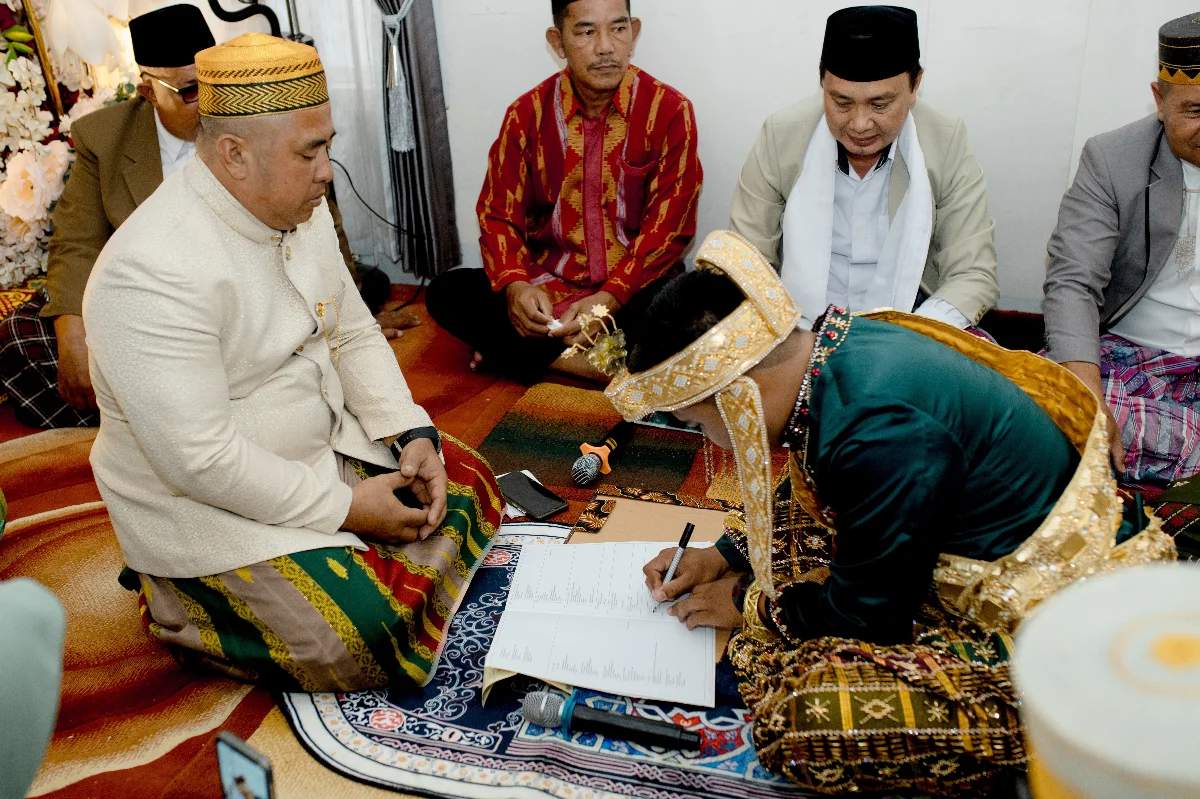
A worked wedding ceremony order example
Placing the day around one locked ceremony time
- 9:00 AM – 1:00 PM Hair and makeup (locked)
- 1:30 PM – 2:30 PM Getting ready photos
- 2:30 PM – 3:45 PM First look and portraits
- 3:30 PM – 3:55 PM Ceremony (locked)
- 3:55 PM – 4:55 PM Cocktail hour
- 4:55 PM – 6:25 PM Dinner and speeches
- 6:25 PM – 8:25 PM Dancing
- 8:25 PM – 8:40 PM Exit
- 1 conflict(s) to resolve: Ceremony is locked to start 30 minute(s) before First look and portraits has finished.
| Line | Amount |
|---|---|
| Minutes inside a named activity | 685 min |
| Minutes from first start to last end | 700 min |
Mistakes to avoid with wedding ceremony order
None of these are exotic. They are the ordinary ways this decision goes wrong, and each one is caught by asking a single extra question.
Watch for
- Skipping a run-through with your officiant can lead to a ceremony that feels rushed or has awkward gaps between segments.
- Overloading the ceremony with too many elements (multiple readings, songs, rituals) without adjusting timing can push past your venue’s rental window.
- Assuming the processional and recessional will take the same amount of time as rehearsed—unexpected delays from nervous participants or tight aisles can throw off the entire order.
Your next conversation, in checklist form
Your next conversation, in checklist form
- List every ceremony element you want, from prelude music to final exit.
- Assign a time estimate to each segment using your officiant’s or vendor’s provided durations.
- Drag and drop segments in the T6 tool to create your preferred sequence.
- Share the draft order with your officiant and confirm they can accommodate the timing and flow.
- Plan the physical movement of participants (entrances, exits, positions) to avoid awkward pauses.
- Print the final order for your officiant, wedding party, and venue coordinator at least one week before.
Wedding ceremony order: common questions
How do I decide the order of readings and musical interludes?
Place readings that set a theme early in the ceremony, and save musical interludes for transitions between major segments like vows and ring exchange. Ask your officiant or musicians for their recommended duration so you can fit them into your T6 timeline.
Should the unity ritual happen before or after the vows?
It depends on the symbolism you want: before vows can represent your individual lives coming together, while after vows can symbolize the commitment you just made. Test both sequences in the T6 tool to see which feels more natural with your other elements.
What if my ceremony includes a religious rite like communion or a blessing?
Treat that rite as a distinct segment with its own time block, and place it after the vows or ring exchange to maintain a logical progression. Confirm with your officiant whether it requires specific positioning relative to other elements.
What to settle next
Once your ceremony order is set, move on to choosing your ceremony readings and music to match each segment’s tone.