This page gives you a decision map for your ceremony: order, readings, vows, officiant, and the people standing up, starting with the timeline builder.
The short answer
Your wedding ceremony is the heart of your day. To plan it, start by deciding the order of events: processional, welcome, readings, vows, ring exchange, pronouncement, recessional. Then choose your officiant, select readings that reflect your relationship, and decide who will stand up with you. Use the timeline builder to sequence everything and share it with your vendors.
CalculatorWedding-Day Timeline Builder
What this hub decides
This cluster is a sequence, not a library. Each page hands the next one a number or a date you have already pinned down.
The decisions this cluster covers
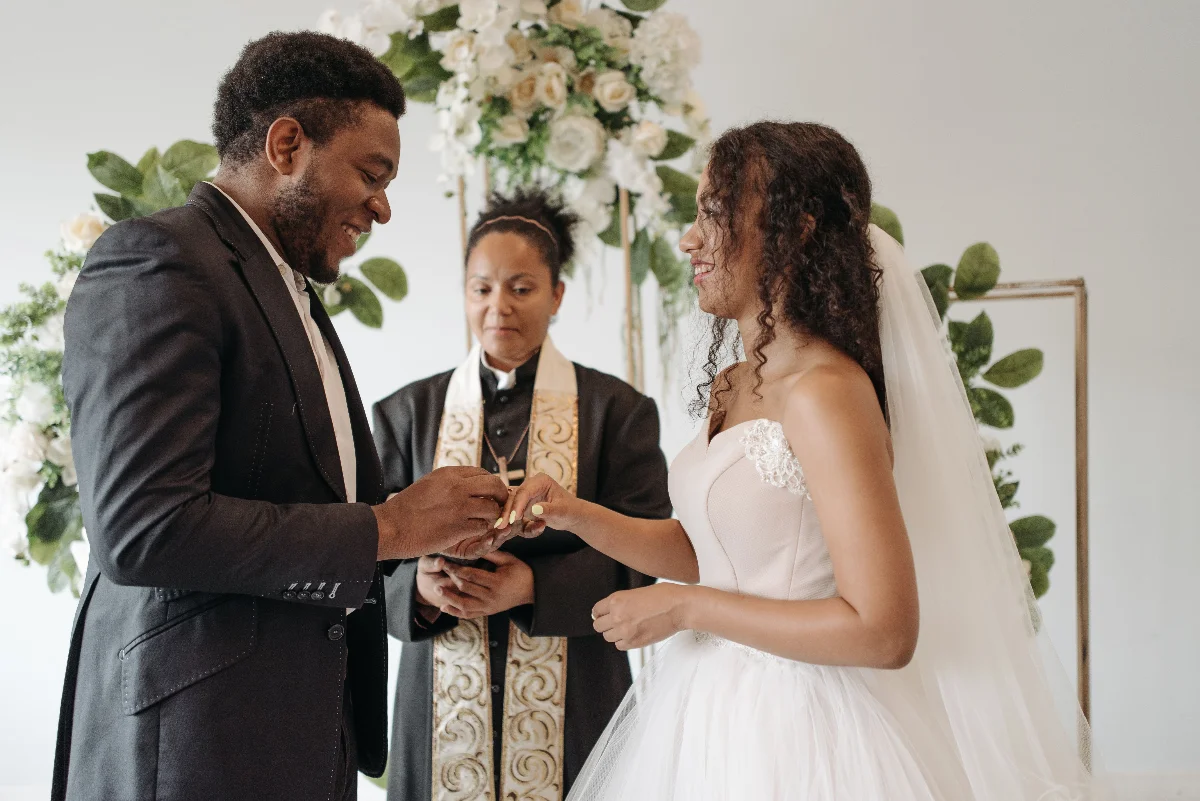
- Who will officiate your ceremony, and what style or tone do you want them to bring?
- What order of events will your ceremony follow, and which elements are non-negotiable?
- Will you write your own vows, use traditional vows, or combine both?
- Which readings, music, or rituals will you include, and who will perform or lead them?
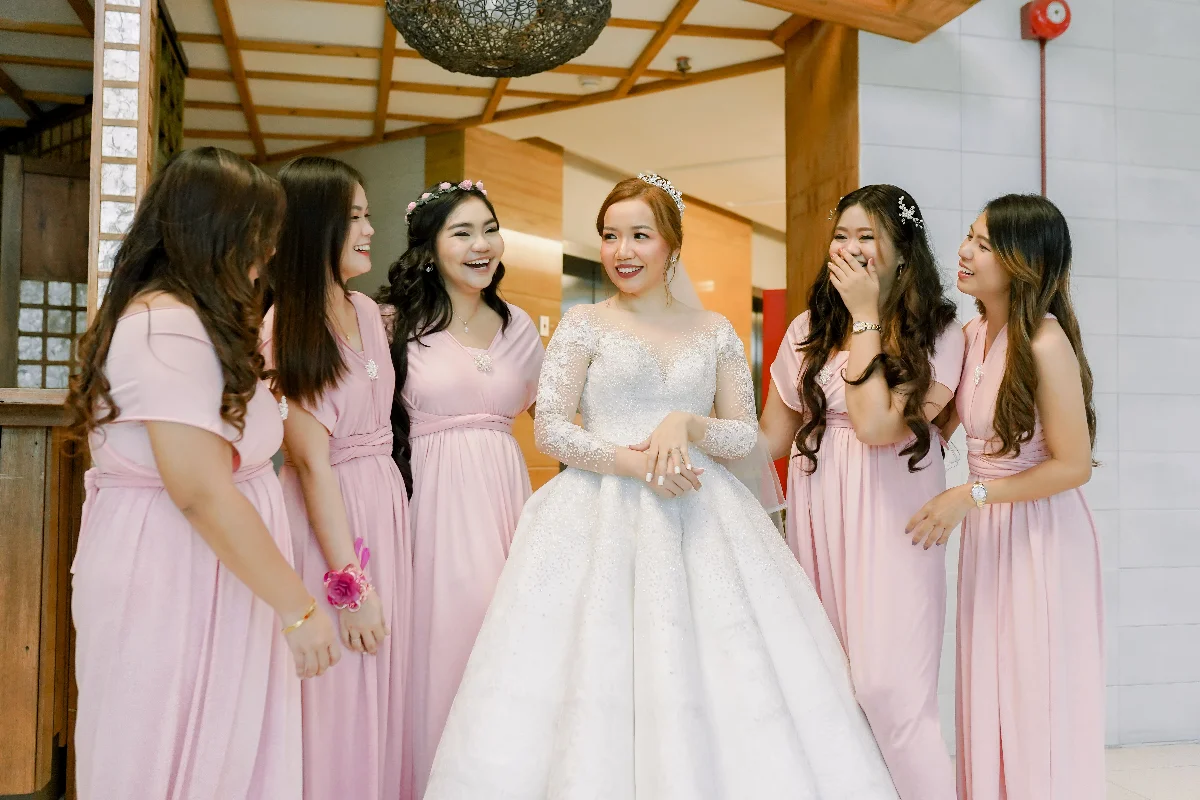
- Who will stand up with you, and what specific roles will they play during the ceremony?
How the pieces fit together
| What to compare | What to ask for | The decision it changes |
|---|---|---|
| Officiant style and approach | Ask for a sample ceremony script or outline that shows how they handle introductions, vows, and pronouncement. | Choosing an officiant whose tone matches your vision for the ceremony. |
| Vow format and personalization | Request vow templates or guidelines for writing your own, including any length or content restrictions. | Deciding whether to write custom vows or use a standard version. |
| Reading and music selections | Ask for a list of suggested readings, poems, or song options that fit your ceremony theme. | Selecting the specific readings and music that will be performed. |
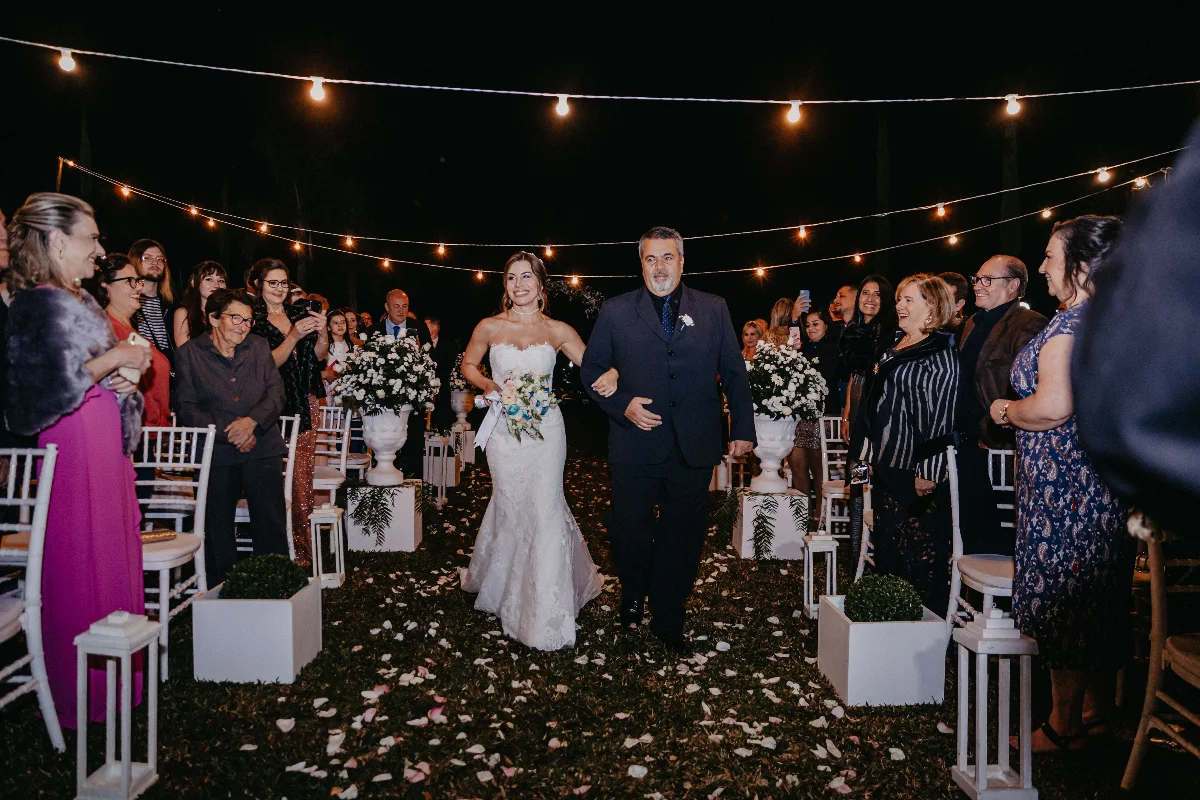
| Processional and recessional order | Request a sample processional order with timing for each person or group entering and exiting. | Determining who walks when and how the flow of the ceremony feels. |
| Seating and guest involvement | Ask for a diagram of the ceremony space showing where the wedding party, readers, and guests will be seated. | Planning the layout and deciding if any guests will have special roles. |
Work through this in order
Work through this in order
- Confirm your officiant’s availability and legal credentials for your state.
- Decide the order of your ceremony and write it down in a timeline.
- Select your readings, music, and any rituals, and get confirmation from participants.
- Write or finalize your vows and practice them aloud.
- Assign specific roles to each member of your wedding party and brief them on timing.
- Create a ceremony timeline and share it with your officiant, musicians, and venue coordinator.
A worked wedding ceremony example
Placing the day around one locked ceremony time
- 9:00 AM – 1:00 PM Hair and makeup (locked)
- 1:30 PM – 2:30 PM Getting ready photos
- 2:30 PM – 3:45 PM First look and portraits
- 5:30 PM – 5:55 PM Ceremony (locked)
- 5:55 PM – 6:55 PM Cocktail hour
- 6:55 PM – 8:25 PM Dinner and speeches
- 8:25 PM – 10:25 PM Dancing
- 10:25 PM – 10:40 PM Exit
- No conflicts: every activity still fits in front of the locked ceremony time.
| Line | Amount |
|---|---|
| Minutes inside a named activity | 685 min |
| Minutes from first start to last end | 820 min |
Mistakes to avoid with wedding ceremony
Each of these is cheap to avoid now and expensive to fix later. They are the mistakes that surface in the final invoice.
Watch for
- Not verifying your officiant’s legal authority to perform marriages in your state, which can delay your license or invalidate the ceremony.
- Finalizing the ceremony order too late, forcing rushed changes to music cues, readings, or seating that could have been rehearsed.
- Skipping a full rehearsal with all participants, leading to awkward pauses or wrong entrances on the day.
Wedding ceremony: common questions
How long should our wedding ceremony be?
Your ceremony length depends on the elements you include. Plan each segment and time it during rehearsal to ensure it fits your venue’s schedule.
Do we need to write our own vows?
Writing your own vows is a personal choice. If you prefer, you can use traditional vows or a combination of both.
Who should officiate our wedding?
Your officiant can be a religious leader, a civil celebrant, or a friend or family member who gets ordained. Check your state’s requirements for who can legally perform a marriage.
Where to go next
Once you have your ceremony foundation, explore our guides on writing vows, choosing readings, and selecting your wedding party.