This page helps you design a memorable celebration where the drinks are the highlight, not the afterthought.
The short answer
Hosting a dry wedding means replacing the alcohol-focused bar with intentional beverage experiences that keep guests refreshed and engaged. You build a menu around mocktails, specialty sodas, coffee, tea, and infused waters, and you communicate the no-alcohol choice clearly on invitations and signage so guests know what to expect. Timing the reception flow with these drinks in mind—such as offering a welcome mocktail and a late-night coffee station—keeps energy high and eliminates the need for a bar closing time. The result is a party that centers on connection, not cocktails.
The decisions this settles
This page helps you design a memorable celebration where the drinks are the highlight, not the afterthought.
Questions to answer before you commit
- What non-alcoholic beverages will you offer at each phase of the reception, and how will they be served?
- How will you communicate the dry nature of the wedding to guests before and during the event?
- Will you create a custom mocktail menu, or rely on a set of classic alcohol-free options?
- Do you need a separate beverage station apart from the main bar, or will the bar serve only non-alcoholic drinks?
- How will you handle guest expectations around toasts, such as a champagne alternative for the couple's toast?
What each choice changes
| What to compare | What to ask for | The decision it changes |
|---|---|---|
| Mocktail creation approach | Whether the caterer or venue offers a signature mocktail program or requires you to supply your own ingredients and recipes. | Determines if you need to hire a separate mixologist or can rely on existing venue service. |
| Beverage station setup | Number and placement of drink stations: one main bar, multiple self-serve stations, or a combination. | Influences staffing costs, guest flow, and how long guests wait for a drink. |
| Coffee and tea service | Whether coffee and hot tea are included in the bar package or billed separately per cup or per pot. | Affects your per-guest cost and whether you need a dedicated coffee cart or urn setup. |
| Glassware and serving vessels | What type of glassware the venue provides for non-alcoholic drinks (e.g., stemware for mocktails, mugs for coffee) and whether there is a rental fee. | Changes the aesthetic of your tables and the rental budget if you need to upgrade from standard cups. |
| Toast beverage choice | What drink will be used for the couple's toast and whether it is included in the meal per-head cost. | Determines if you need to buy extra bottles of sparkling cider or a specialty drink for the toast only. |
Mistakes to avoid with dry wedding
None of these are exotic. They are the ordinary ways this decision goes wrong, and each one is caught by asking a single extra question.
Watch for
- Assuming guests will find the dry aspect 'refreshing' without a heads-up—they may bring their own alcohol if not told in advance.
- Serving only plain water and soda, which can feel like a downgrade rather than a curated experience.
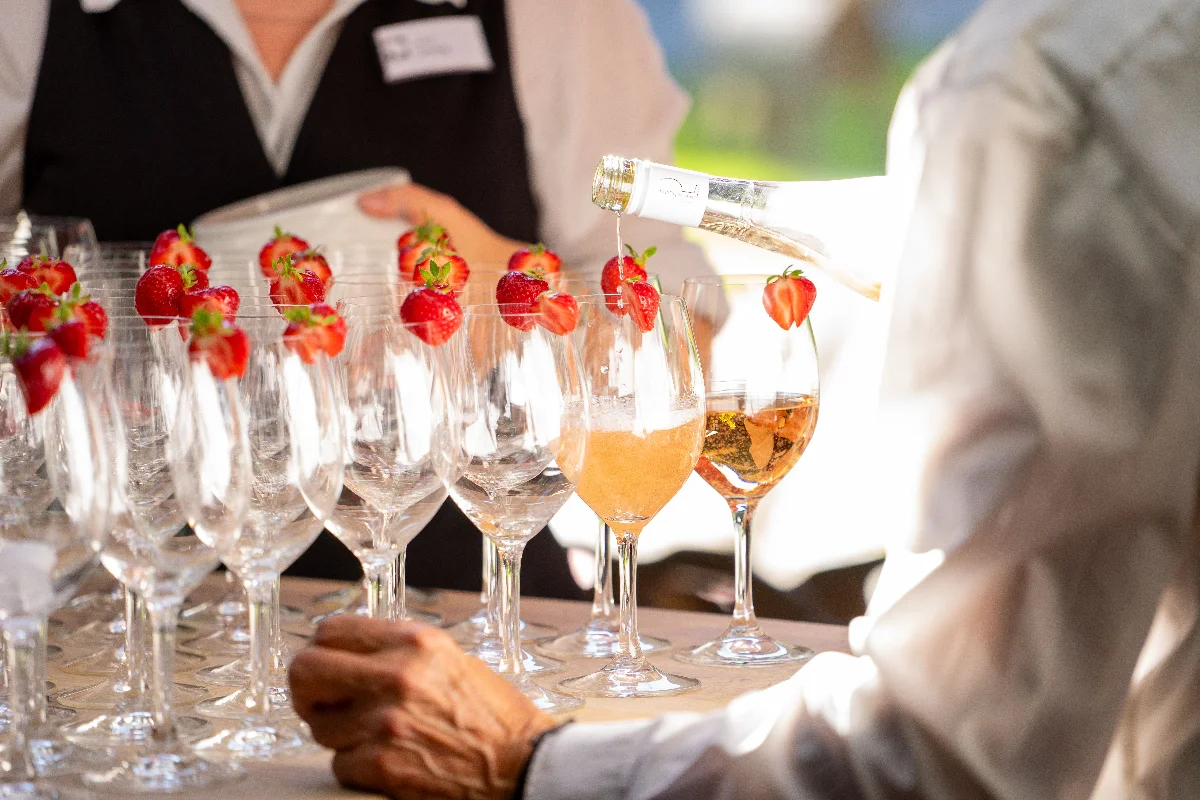
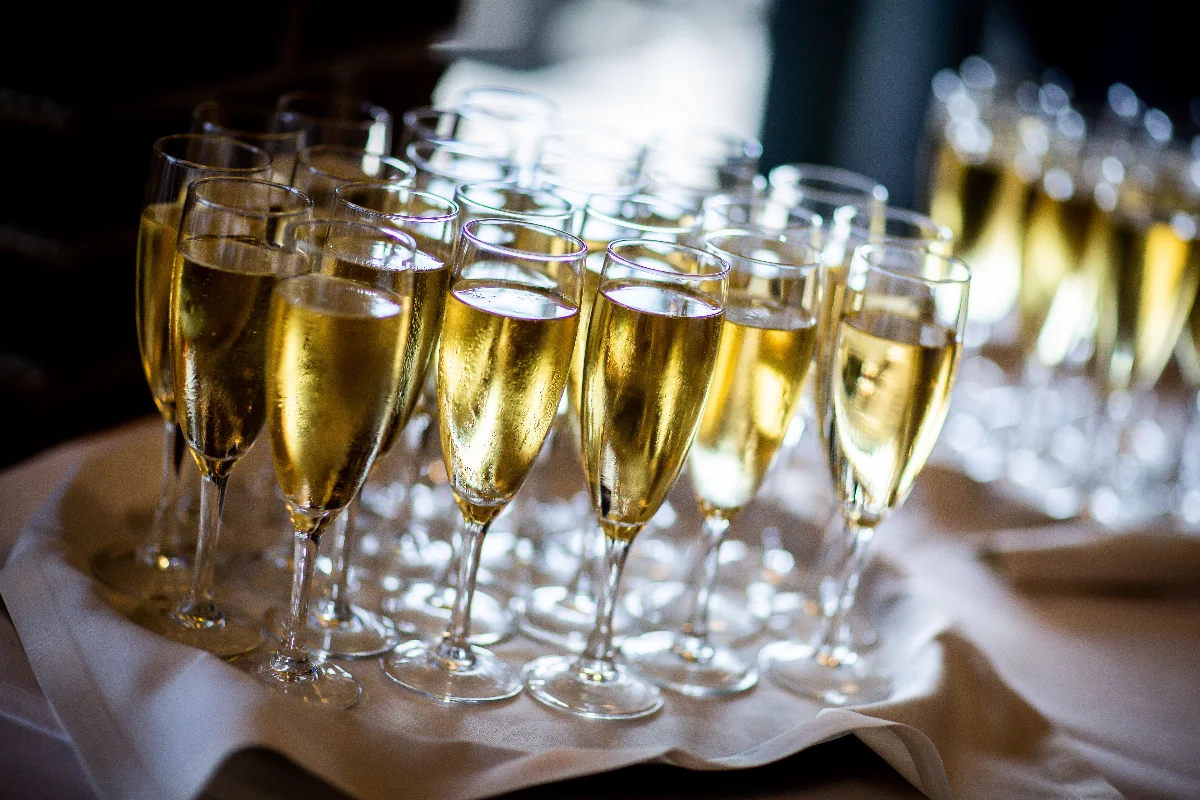
- Forgetting to designate a toasting beverage that looks celebratory (e.g., sparkling cider in champagne flutes) so photos don't read as flat.
Your next conversation, in checklist form
Your next conversation, in checklist form
- Define your core drink menu: two to three mocktails, two sodas, a sparkling water, and a decaf coffee/tea option.
- Write the wording for your invitation, wedding website, and signage that clearly says 'no alcohol' without apology.
- Confirm with your venue or caterer that they can accommodate non-alcoholic cocktail preparation and have appropriate ingredients.
- Taste-test all mocktail recipes with your partner and a few friends at least three weeks before the wedding.
- Plan the timing: serve a welcome mocktail during cocktail hour, water and soda during dinner, and coffee/tea near dessert.
- Order enough non-alcoholic sparkling drink for the couple's toast to cover every guest who may want to participate.
Dry wedding: common questions
Will guests be upset about a dry wedding?
Some guests may initially be surprised, but most will appreciate the clarity and the creative drink menu if you communicate the choice early and offer appealing alternatives. The key is framing it as a positive decision for your celebration rather than a restriction.
Do we still need a bar setup if there's no alcohol?
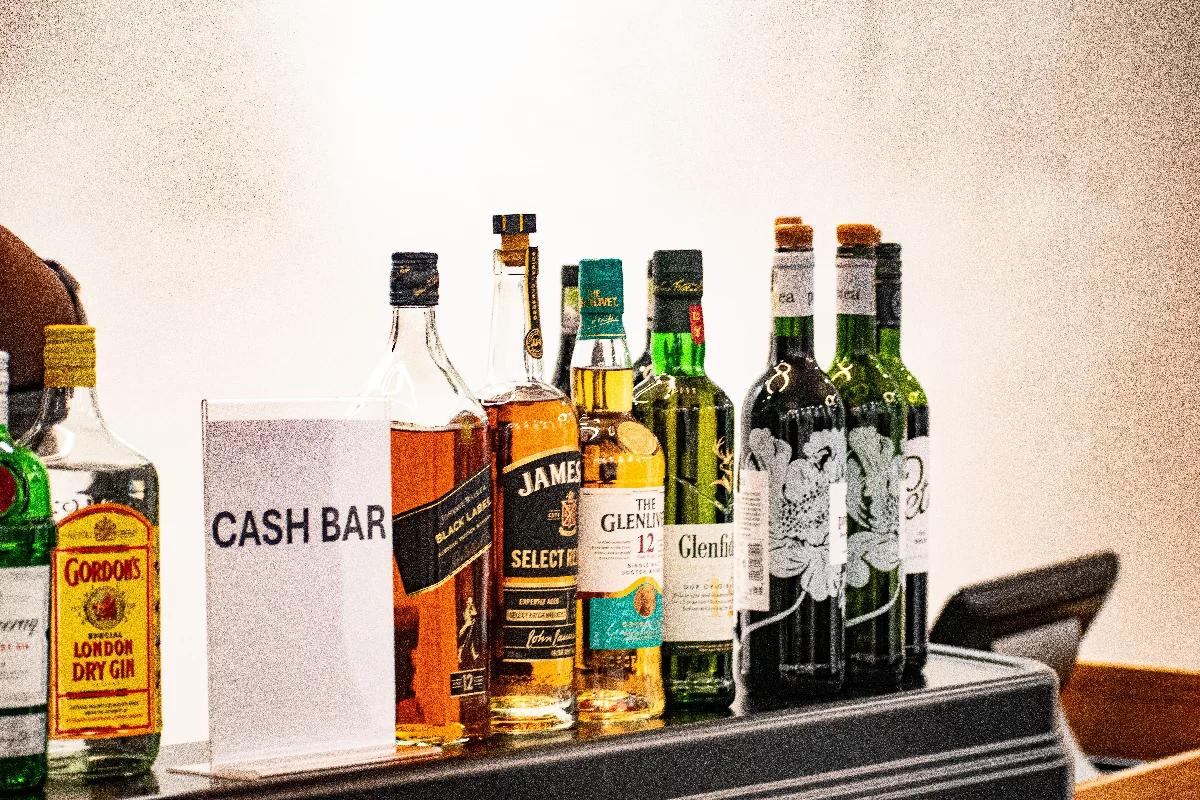
Yes, a dedicated beverage station or bar area gives guests a natural gathering spot and makes the drinks feel intentional. Even without alcohol, you'll want a space for the mocktail menu, self-serve water, and coffee service.
How do we handle hosts or VIPs who expect to drink?
You can offer a private toast with them before the ceremony or provide a small bottle of their preferred drink as a gift, but keep the main event entirely dry to respect your decision. Clear communication with your wedding party and family ahead of time avoids surprises.
What to settle next
Read the pages on designing a mocktail menu and on reception timing without bar breaks to complete your dry wedding plan.