This page helps you decide who walks, in what order and with whom, based on your own family structure rather than a one-size-fits-all template.
The short answer
The processional order is a sequence you choose, not a rule you follow. Start by deciding who will escort whom, then arrange the walk from the back of the venue to the front. The couple decides the order based on their own family relationships, not on any prescribed list. Your officiant can help you rehearse the timing once you have your list of participants.
The decisions this settles
This page helps you decide who walks, in what order and with whom, based on your own family structure rather than a one-size-fits-all template.
Questions to answer before you commit
- Who will escort each person walking down the aisle, and do you want any escorts to walk alone or paired?
- Will your parents walk together, separately, or be seated before the processional begins?
- Do you want grandparents to process, and if so, in what order relative to parents?
- Will your officiant enter from the side or walk down the aisle, and where in the sequence does that happen?
- If you have children, pets, or a ring bearer and flower person, where do they fit in the order?
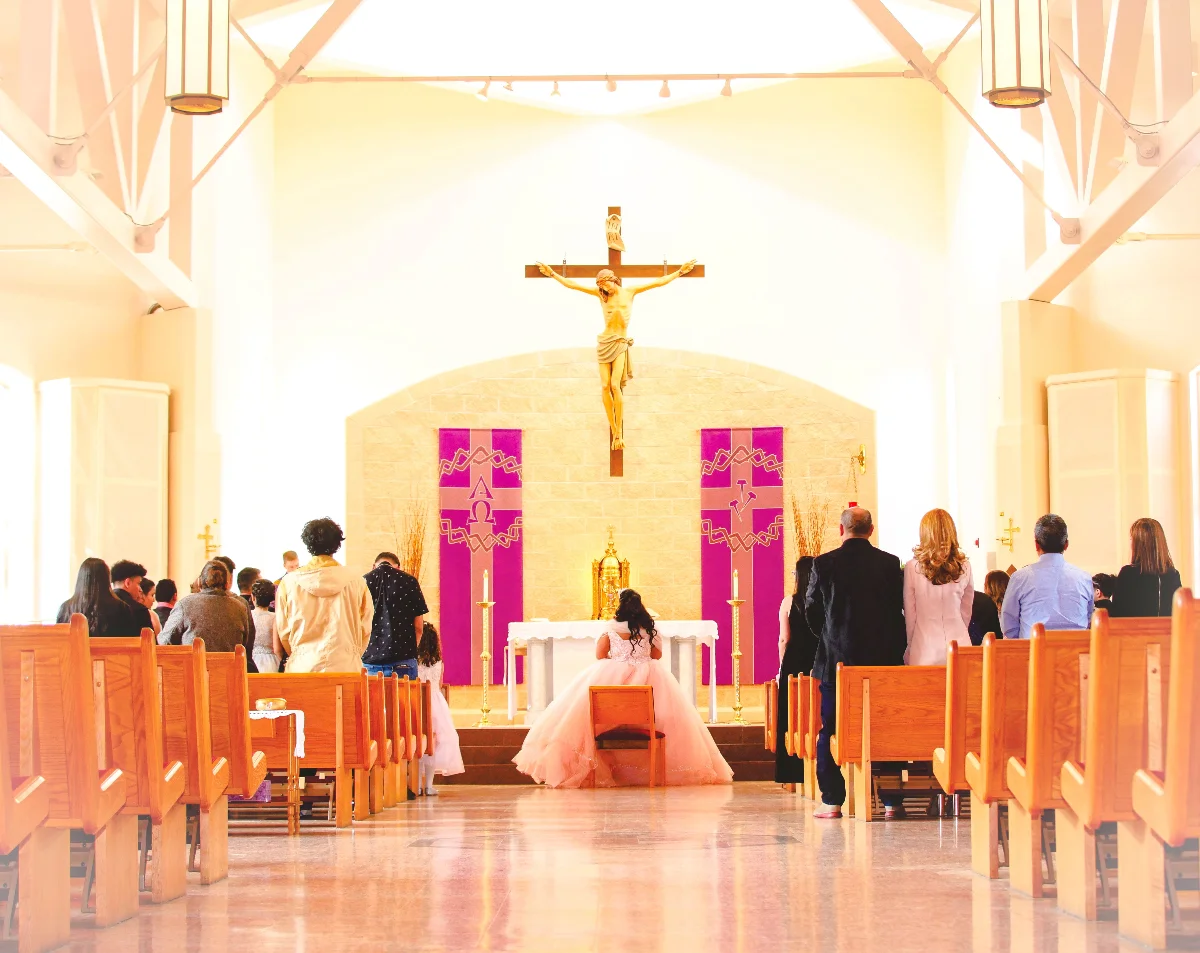
What each choice changes
| What to compare | What to ask for | The decision it changes |
|---|---|---|
| Parental entrance | Whether each parent walks alone, with a partner, or is seated before the processional starts | Determines the number of participants and the pacing of the aisle walk |
| Grandparent participation | Whether grandparents process, and if so, in what order relative to parents | Affects the total length of the processional and seating arrangements |
| Escort pairings | Who escorts whom, and whether any escorts walk alone or with a partner | Changes the visual symmetry and emotional tone of the entrance |
| Officiant entrance | Whether the officiant enters from the side or walks down the aisle, and where in the sequence | Affects the flow from processional to welcome remarks |
| Children and pets | Where ring bearers, flower people, and any pets walk in the order | Changes the timing and potential for distractions during the processional |
Mistakes to avoid with wedding processional order
These are the failure modes that cost real money or real time. Each one is avoidable if you catch it before you sign.
Watch for
- Assuming one parent must walk alone if the other is deceased, when you can have a sibling or close friend escort them instead
- Forgetting to account for the officiant's entrance, which can create an awkward pause if not planned
- Not rehearsing the processional with children or pets, leading to unpredictable timing or behavior on the day
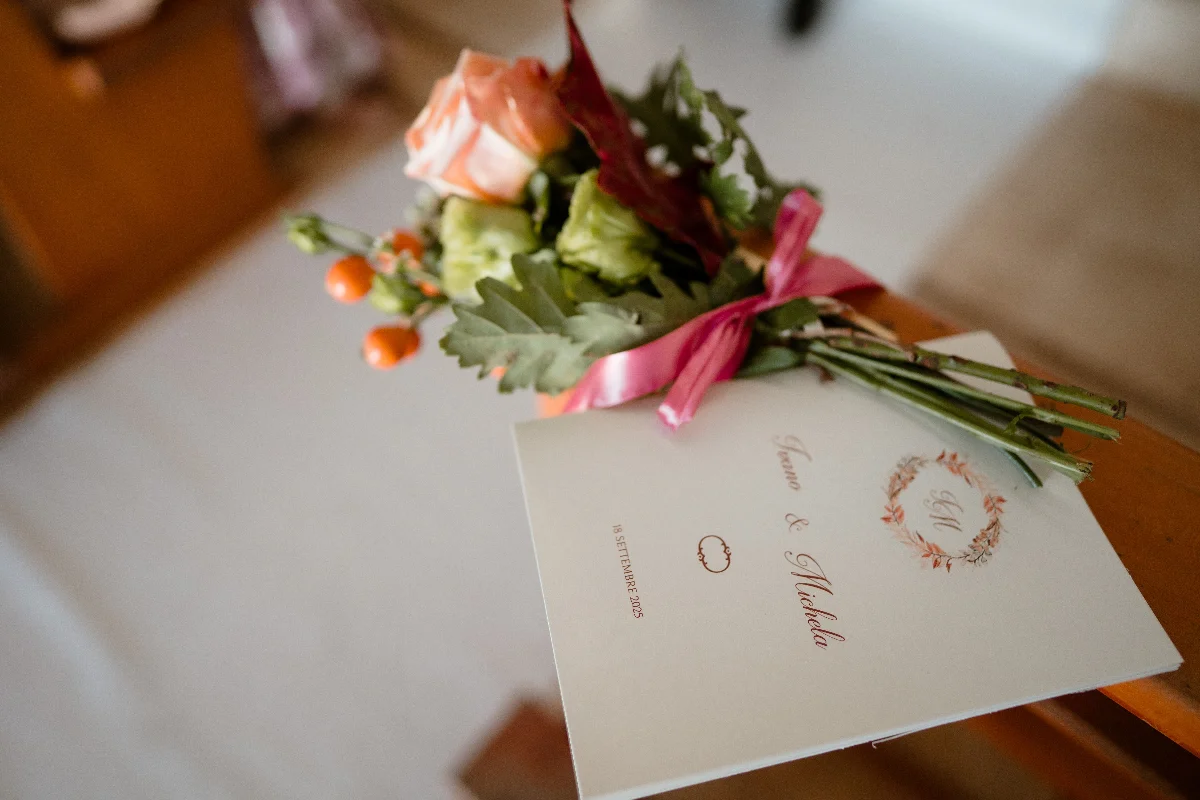
Your next conversation, in checklist form
Your next conversation, in checklist form
- List every person who will walk down the aisle, including escorts and solo walkers
- Decide the order of each person or pair, from first to last
- Confirm with each participant their role and who they will walk with
- Rehearse the processional at the venue with your officiant and coordinator
- Communicate the final order to your musician or DJ for cue timing
- Have a backup plan for any participant who cannot attend at the last minute
Wedding processional order: common questions
Can both mothers walk together down the aisle?
Yes, you can have both mothers walk together, or each walk with a partner of their choice. The order is entirely your decision based on your family relationships.
Does the groom's family walk before the bride's family?
You decide the order of families based on your preferences, not a fixed rule. Some couples alternate sides or have all parents seated before the wedding party enters.
What if a parent cannot attend the wedding?
You can have another family member, a close friend, or no escort at all for that person. The processional order is flexible to accommodate your actual guest list.
Your next decision
Once you have your processional order, decide the recessional order and then plan the ceremony script with your officiant.